
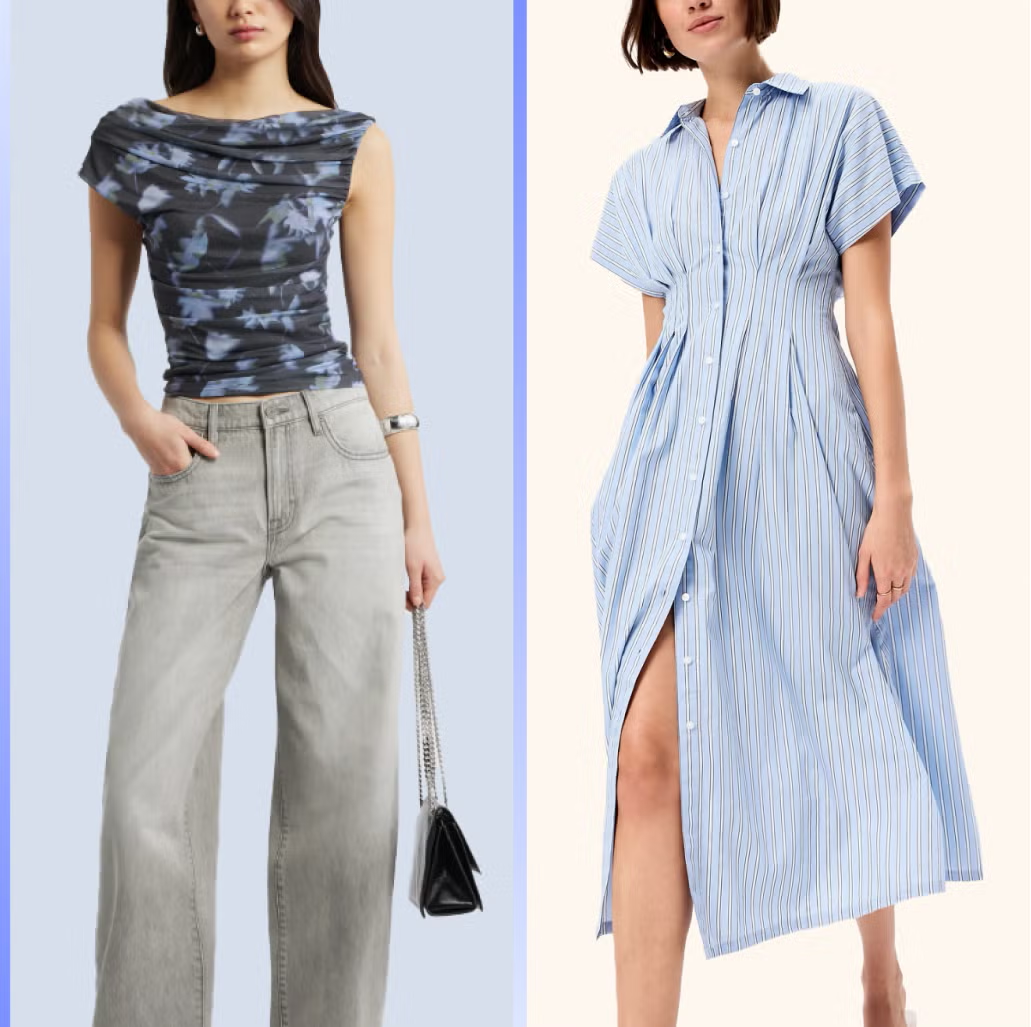
How to Style Free Assembly Clothing: Everyday Outfit Ideas & Versatile Wardrobe Tips
We designed Free Assembly to work the way you actually live — clothes that move between meetings, errands, and dinner without needing a second thought. But versatility only delivers if you know how to style pieces together, and that’s where a few smart layering and pairing strategies make all the difference.
This guide walks through practical ways to build outfits from our collection, whether you’re starting with one hero piece or building a capsule wardrobe from scratch. You’ll find ideas for mixing textures, balancing proportions, and stretching your closet further without overthinking it.
Start With Neutral Foundations and Layer in Color
The fastest way to make our pieces work harder is to anchor your wardrobe in neutrals — black, white, navy, khaki — then layer in seasonal color through tops, scarves, or accessories. A neutral bottom (jeans, chinos, a simple skirt) pairs with nearly anything, which means one pair carries you through a dozen different looks.
When you do add color, keep it to one or two statement pieces per outfit. A bright sweater over neutral denim reads intentional; a bright sweater, patterned scarf, and bold shoes all at once can feel chaotic. We build our seasonal palettes around colors that share undertones, so mixing within a collection usually works without much effort.
If you’re not sure where to start, pick one neutral bottom you already love and build three different tops around it — you’ll immediately see how much range a single foundational piece unlocks.
Balance Proportions by Pairing Fitted and Relaxed Silhouettes
One of the simplest styling rules — and one that never fails — is to pair fitted pieces with looser ones. A slim-fit tee or tank tucked into wide-leg pants creates shape without clinging everywhere; an oversized sweater over skinny jeans or leggings keeps the silhouette from looking either too boxy or too tight.
We cut our relaxed styles to drape rather than add bulk, which means you can layer them without looking swallowed. A loose button-down over a fitted tank, sleeves rolled, works for everything from weekend coffee runs to casual Fridays. The same principle applies to length: a cropped jacket over a longer tunic balances proportions naturally.
When you’re trying a new piece, hold it up next to something you already wear often. If both are the same fit (both oversized, both slim), one of them probably needs to shift to make the outfit feel balanced.
Mix Textures to Add Depth Without Adding Complexity
Texture gives an outfit dimension even when you’re sticking to a simple color palette. Pair a smooth cotton tee with textured denim, or layer a chunky knit cardigan over a sleek slip dress. The contrast keeps things interesting without requiring pattern or print.
Our dresses often feature subtle texture in the weave or a bit of stretch that catches light differently than flat jersey, which makes them easy to dress up or down depending on what you layer over them. A denim jacket and sneakers take the same dress casual; a blazer and loafers shift it toward work-appropriate. According to general garment construction principles, fabric weight and surface texture influence how a piece holds its shape and how it interacts with layers — heavier textures (denim, canvas, knit) ground an outfit, while lighter ones (linen, modal, rayon) soften it.
If you tend to reach for the same few pieces, check whether they’re all the same texture. Adding one contrasting fabric — a linen shirt if you usually wear cotton, or a wool-blend sweater if you live in tees — instantly expands your styling options.
Use Layering to Stretch Seasonal Pieces Year-Round
The line between ‘summer piece’ and ‘winter piece’ mostly disappears once you start layering intentionally. A sleeveless dress works in July on its own and in October under a cardigan or jacket. A lightweight button-down that feels too thin for January becomes a layering piece under a sweater or over a turtleneck.
We design with layering in mind, which is why you’ll find longer hems, relaxed armholes, and breathable fabrics across the collection. A longer tunic won’t bunch when you add a jacket; a roomy cardigan slides over other layers without pulling. Pairing fitted base layers with looser outer layers also traps warmth better than a single thick piece, which means you stay comfortable across a wider temperature range.
If a piece feels too light or too heavy for the current season, try adding or removing just one layer before deciding it doesn’t work — a single tee or cardigan often shifts a look into wearable territory.

Build a Capsule Wardrobe Around Three Core Bottoms
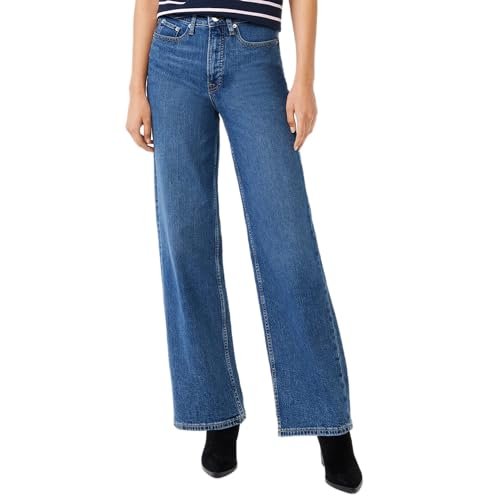
You don’t need a massive closet to have endless outfit options — you need three reliable bottoms and a rotation of tops that work with all of them. Start with a pair of dark-wash jeans, a pair of neutral chinos or trousers, and one skirt or dress that fits your daily routine.
From there, add five to seven tops in a mix of fits and weights: a couple of tees, a button-down, a sweater, a tank or cami for layering. If every top works with every bottom, you’ve just built 15+ outfits from 10 pieces. Shoes and accessories multiply that further without requiring more closet space.
The key is making sure your core bottoms are truly interchangeable with the rest of your wardrobe. If one pair of pants only works with one specific top, it’s taking up space without adding range — swap it for something more versatile.
Making Your Free Assembly Wardrobe Work Harder
Learning how to style Free Assembly clothing is less about following rigid rules and more about understanding a few flexible principles — balance proportions, layer textures, anchor with neutrals, and don’t overthink it. Once you see how a single foundational piece (a great pair of jeans, a versatile cardigan, a go-to dress) unlocks a dozen different outfits, building a wardrobe that works for your actual life gets easier.
We design every piece to layer, mix, and move between contexts without needing a complete outfit change, which means you can dress for the day you actually have rather than the rigid category the day is supposed to fit. Start with what works for your routine, add one or two new pieces at a time, and let your wardrobe grow around how you really live.
Notes
Most of our pieces work for both — it comes down to how you style them. Pair a structured blazer or cardigan with our jeans or chinos and add loafers or flats, and you have a polished casual-Friday look. Swap sneakers for boots or heels, and the same outfit shifts dressier.
Layering is your best tool here: a simple tee or tank under a tailored jacket reads more finished than the tee alone, even though the base layer is casual. Stick to neutral tones and avoid overly distressed denim if you’re aiming for a work-appropriate outfit.
We include detailed size charts on every product page, and our customer reviews often mention fit — whether something runs small, large, or true to size. If you’re between sizes or unsure, our return policy makes it easy to try a couple of sizes at home and send back what doesn’t work.
As a general guideline, our relaxed and oversized styles are designed to drape, so if you prefer a closer fit, consider sizing down. Our fitted styles are cut closer to standard measurements.
Start with one great pair of jeans in a dark or mid-wash, a neutral-colored tee or tank, and a versatile button-down or cardigan. Those three pieces alone give you multiple outfit combinations, and they work as a foundation for almost anything else you add later.
From there, add a second bottom (chinos or a skirt) and one or two additional tops in different weights or textures. You’ll have enough range to cover a full week without repeating an outfit, and everything will mix and match easily.
Most of our pieces are machine washable, but checking the care label on each item is always smart — some fabrics do better with cold water or a delicate cycle. Turn jeans and darker colors inside out before washing to reduce fading, and hang or lay flat to dry whenever possible to avoid shrinkage and preserve shape.
Avoiding the dryer on high heat extends the life of elastic waistbands, stretch fabrics, and any piece with a bit of spandex. If you do use the dryer, medium or low heat is safer.
Our pieces are designed to integrate with what you already own, not replace your entire closet. The neutral color palettes and classic cuts mean Free Assembly layers easily with other brands — pair our jeans with your favorite vintage tee, or throw our cardigan over a dress you’ve had for years.
If you’re mixing brands, just keep an eye on proportions and color harmony. As long as those balance, mixing is not only fine — it’s usually what makes an outfit feel personal rather than catalog-styled.
Accessories — scarves, belts, hats, jewelry — and shoes make the biggest difference with the smallest investment. The same jeans-and-tee combo reads completely different with sneakers versus ankle boots, or with a statement necklace versus a simple belt.
Changing how you layer also creates variety: try tucking in a top you usually wear untucked, rolling sleeves, or half-tucking a button-down. Small tweaks to styling shift the overall look without requiring new pieces.