Free Assembly Size Chart & Fit Guide: How to Find Your Perfect Size in Every Style
Finding the right size shouldn’t feel like guesswork. Whether you’re shopping for your first pair of jeans or adding another dress to your rotation, understanding how Free Assembly sizing works can save you time and returns.
We built our size chart around real body measurements and consistent fit standards across every piece in our collection. This guide walks you through how to measure yourself, what each size category means, and how our fits vary by garment type.
How to Take Accurate Body Measurements
Start with a soft measuring tape and wear fitted clothing or just undergarments for the most accurate numbers. For bust measurement, wrap the tape around the fullest part of your chest, keeping it parallel to the floor. Waist measurement sits at the narrowest point between your ribs and hips, usually about an inch above your belly button.
Hip measurement goes around the fullest part of your hips and rear, again keeping the tape level all the way around. Write down all three numbers in inches and compare them to our free assembly size chart rather than converting to a generic S/M/L first — actual measurements remove guesswork.
Measure yourself every few months if your body changes, and always check the chart before ordering a new garment category. A size that works in tops might differ slightly from what you need in bottoms.
Understanding Free Assembly Size Categories
Our size chart breaks down into numerical sizes (00–18) for most dresses and structured pieces, plus letter sizes (XS–XXL) for relaxed-fit items like tees and sweaters. Each numerical size corresponds to a specific bust-waist-hip range, so if your measurements fall between two sizes, we recommend choosing based on which area you prioritize fit in.
For example, if your bust measures into a size 6 but your waist and hips align with a size 8, sizing up usually gives you more comfort in fitted styles. Letter sizes follow similar logic but allow for more give in the fabric, making them more forgiving across a range.
Petite and tall options appear in select styles, adding or removing approximately two inches in overall garment length without changing the width measurements. Check individual product pages to see if your preferred item offers extended length options.
Fit Differences Across Garment Types
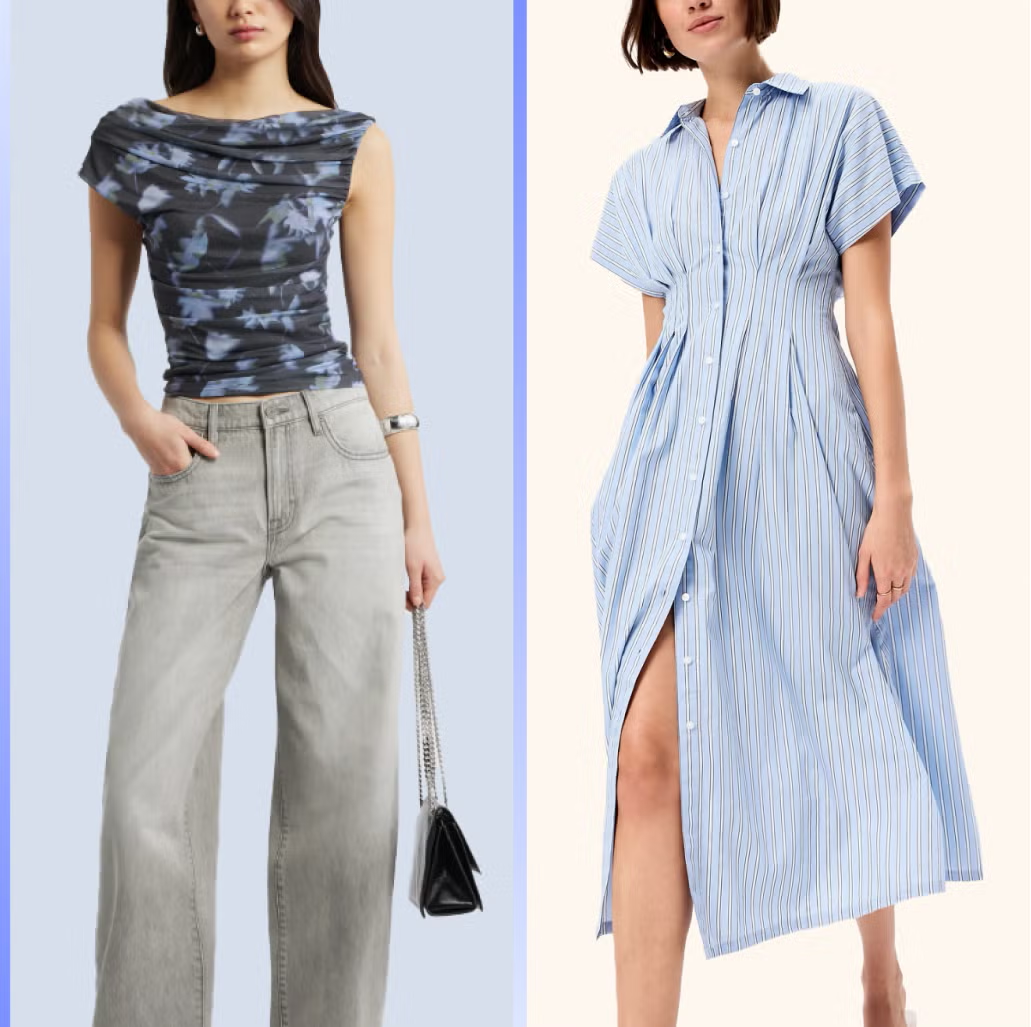
Dresses in our collection tend to run true to size in the bodice but can vary in skirt fullness depending on the silhouette. A-line and fit-and-flare styles offer more room through the hips than a sheath dress in the same numerical size, so read the product description for cut details.
Jeans and pants follow a slightly different fit philosophy. Our jeans use waist and inseam measurements alongside rise height (low, mid, or high) to help you dial in comfort. The same waist size can feel different in a high-rise versus a mid-rise jean because of where the waistband sits on your torso.
Tops and Layering Pieces
Knit tops and woven blouses often use letter sizing with detailed shoulder and sleeve length specs listed on each product page. If you’re between sizes and prefer a closer fit, choose the smaller letter size; if you layer often or want a relaxed drape, size up one.
When to Size Up or Down
Fabric type plays a major role in whether you should adjust from your chart size. Stretch denim, jersey knits, and any garment with elastane will mold to your body and often forgive a snugger fit, so staying true to size or even sizing down works if you like a streamlined look.
Non-stretch wovens, structured cottons, and linen blends don’t have that give, meaning if you’re between sizes, the larger option usually feels better after a full day of wear. According to standard clothing size conventions, garment ease (the difference between body measurements and finished garment measurements) varies widely by style, so always check the product’s specific fit notes.
If you’re ordering a special-occasion piece or something you plan to tailor, buying your true size gives an alterations specialist the cleanest starting point. Taking in a garment is almost always easier than letting it out.
Get the Fit Right the First Time
A few minutes with a measuring tape and our size chart eliminates most sizing uncertainty. Compare your actual measurements to the ranges listed, consider the garment type and fabric, and read any fit notes on the product page before you add to cart.
When in doubt, customer reviews and our support team can offer guidance on specific items. The goal is clothing that feels as good as it looks, and that starts with the right size from the start.
Notes
Our sizing runs true to the measurements listed in the free assembly size chart. If your body measurements match a size 8 on the chart, a size 8 garment will fit as designed.
Some customers accustomed to vanity sizing from other brands find our numerical sizes feel slightly smaller, but that’s because we use actual body dimensions rather than inflated size labels.
Sizing standards vary widely across brands, so we always recommend measuring yourself and consulting our chart rather than assuming your size carries over. A medium in one brand might align with our small or large depending on their fit model.
Taking two minutes to measure your bust, waist, and hips saves returns and ensures the fit you actually want.
Choose based on the area you want the garment to fit most precisely. For dresses, many people prioritize bust fit and accept slight looseness elsewhere. For pants, waist and hip measurements matter most.
If you’re still unsure, read customer reviews on the specific product page — other shoppers often mention whether they sized up or down and why.
Yes, we accept exchanges within thirty days of delivery as long as the item is unworn with tags attached. Visit our returns portal to generate a prepaid shipping label and select your new size.
Exchanges process faster than return-and-repurchase, usually shipping out within two business days of our warehouse receiving the original item.
No, petite and tall designations adjust only the vertical proportions — sleeve length, inseam, and overall garment length. Bust, waist, and hip measurements stay identical to the standard-length version of the same size.
This means a petite size 10 and a standard size 10 have the same circumference specs but differ in how long the torso, sleeves, or legs measure.
Our core size chart remains consistent season to season so you can reorder confidently. If we introduce a new fit model or extended size range, we update the chart and note the change date at the top of the page.
Individual product pages will call out any style-specific fit adjustments, like a relaxed-fit tee running larger than our standard tee cut.